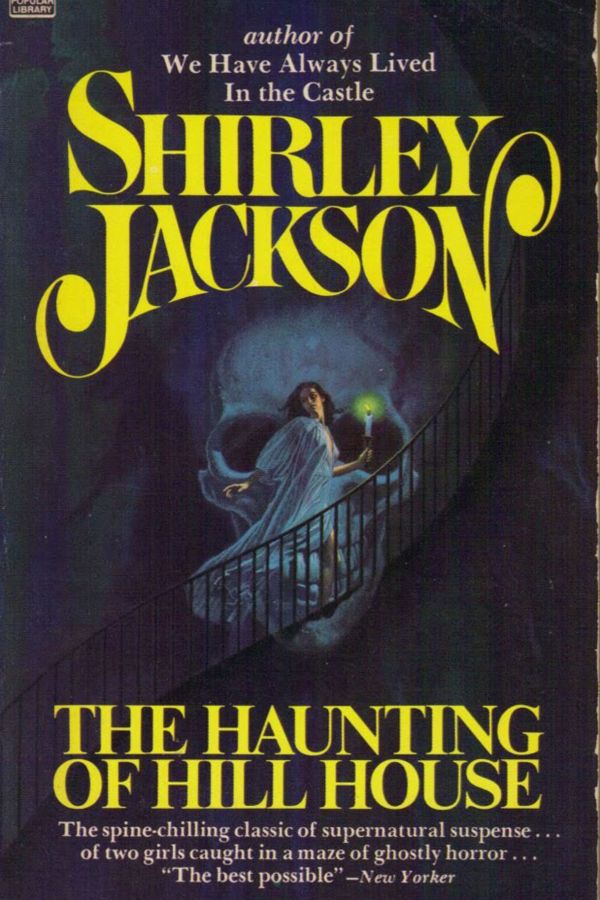

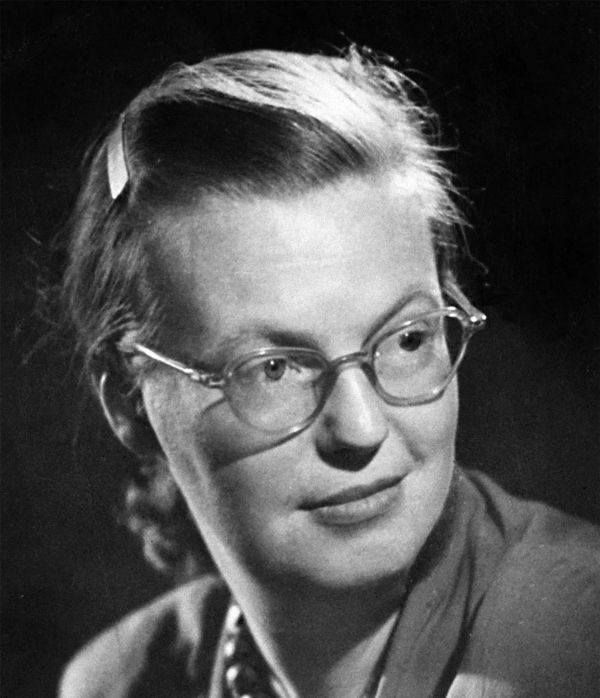
Shirley Jackson’s short stories and novels stand out as unconventional and thought-provoking—none more so than The Haunting of Hill House—a horror novel that never needs to shout to terrify.
High Point: The beauty of this novel is that Jackson never really lets us know for certain what is real and what is a product of the main character’s ailing mind.
Low Point: None
Author: Shirley Jackson
Publication Date: 1959
Genre: Fiction – Horror
Listen to the audio version of this review
space
A Master Class in Horror
For as long as I can remember, I’ve enjoyed horror stories and the different themes taken by different authors. Edgar Allan Poe’s stories were sinister. Henry James’ were spooky, but conventional (despite all the subsequent psychobabble). Stephen King’s are “in-your-face” terror. But Shirley Jackson’s are deliciously insidious and unsettling—starting with what may be my favorite horror novel, The Haunting of Hill House.
Is it Real or …?
Jackson places us inside the mind of Eleanor Vance, a troubled woman desperate to escape years of oppression at the hands of her family and her recently-deceased mother. She’s chosen as a participant in a scientific study of Hill House—an isolated 80-year-old country mansion with a reputation of evil. As she settles in, it seems Hill House takes a particular interest in her. And as the story progresses, we are left to explore if Eleanor is becoming possessed by Hill House. Or is it driving her insane? Are all the events real or a product of Eleanor’s ailing mind?
The beauty of this novel is that Jackson never really lets us know for certain. Toying with us as she describes events—some especially eerie—she makes us wonder where they will eventually take us. Shortly before the story’s climax, she even provides comedy when the study leader’s wife makes an appearance.
The Conclusion
At the conclusion, we’re still not quite sure why things have happened as they did. She gives a brief summary that seems to describe the resolution for each of the supporting characters, but a hint of doubt still haunts. And Jackson uses a crafty convention by using a virtually identical paragraph to both open and conclude her novel:
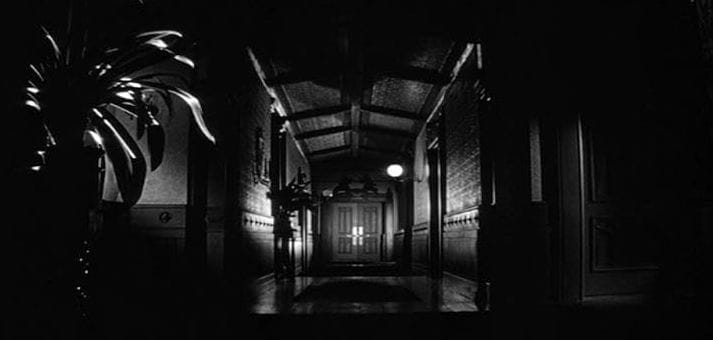
Hill House, not sane, stood by itself against its hills, holding darkness within; it had stood so for eighty years and might stand for eighty more. Within, walls continued upright, bricks met neatly, floors were firm, and doors were sensibly shut; silence lay steadily against the wood and stone of Hill House, and whatever walked there, walked alone.
Although not as familiar to readers today as she was 60 years ago, Shirley Jackson was an uncommonly talented author. Her short stories and novels stand out as unconventional and thought-provoking—none more so than The Haunting of Hill House—a horror novel that never needs to shout to terrify.
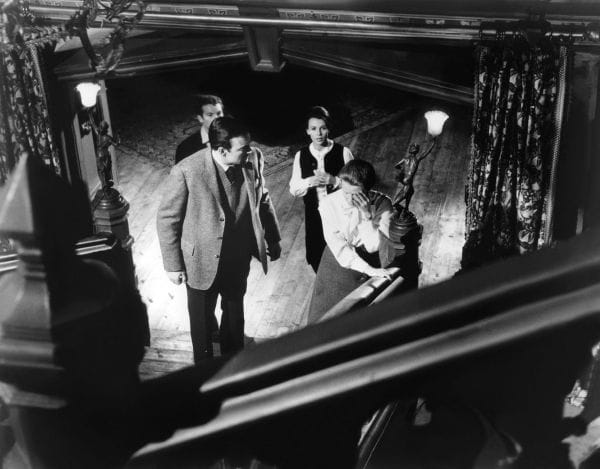
Movie/TV Adaptation
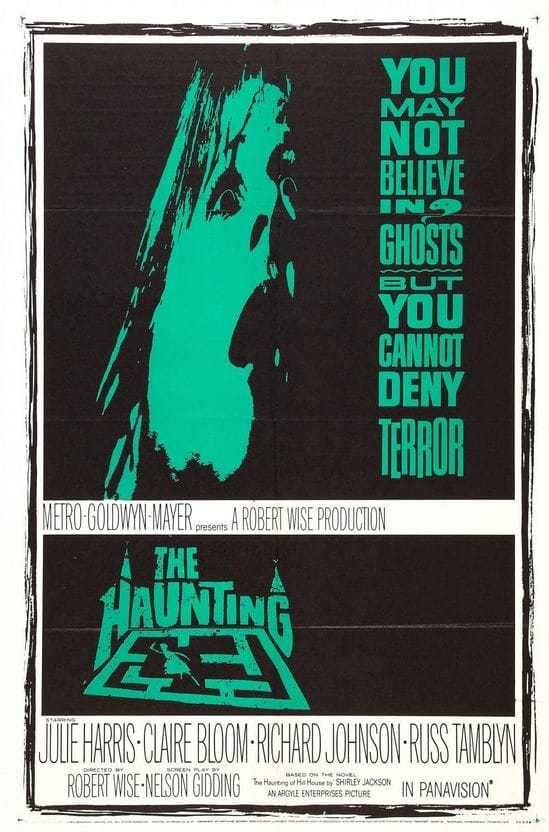
The Haunting (1963); The Haunting (1999)
Sources For This Book
This book was borrowed from the Arlington Public Library in Arlington, Texas
Free eBook (Project Gutenberg): Not available
Free Audiobook (LibriVox): Not available
Available to Purchase: AbeBooks, Biblio, Thriftbooks
Similar Books You May Enjoy…
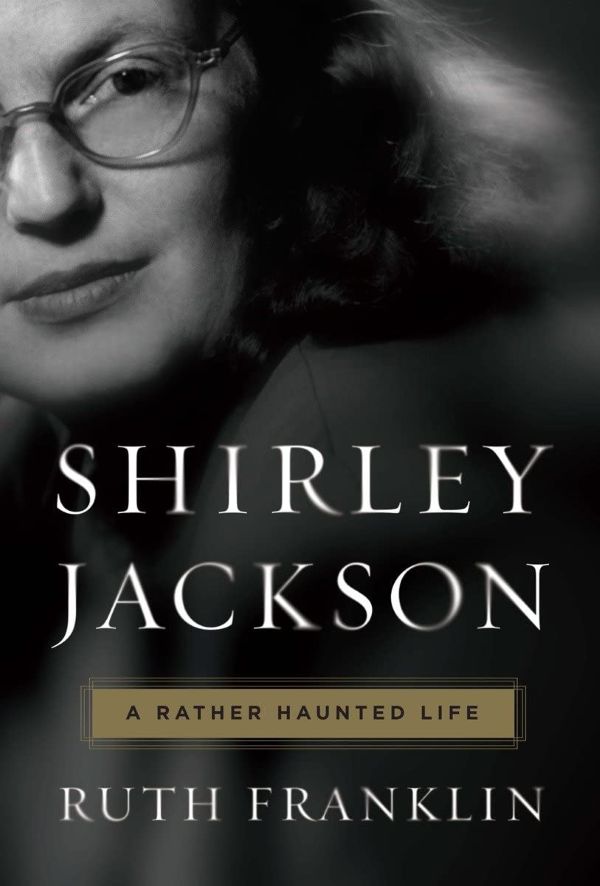
Shirley Jackson: A Rather Haunted Life (2016)
Ruth Franklin
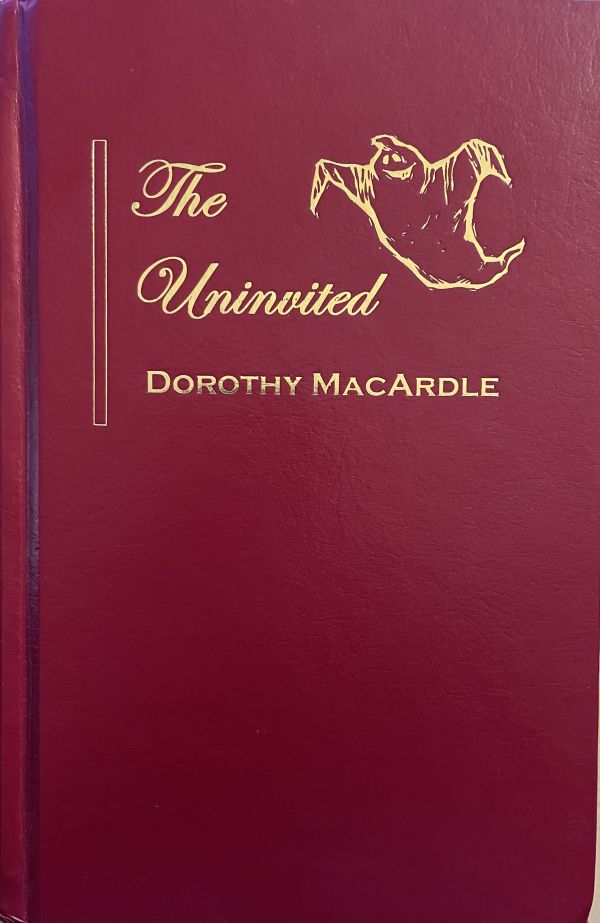
The Uninvited (1942)
Dorothy MacArdle
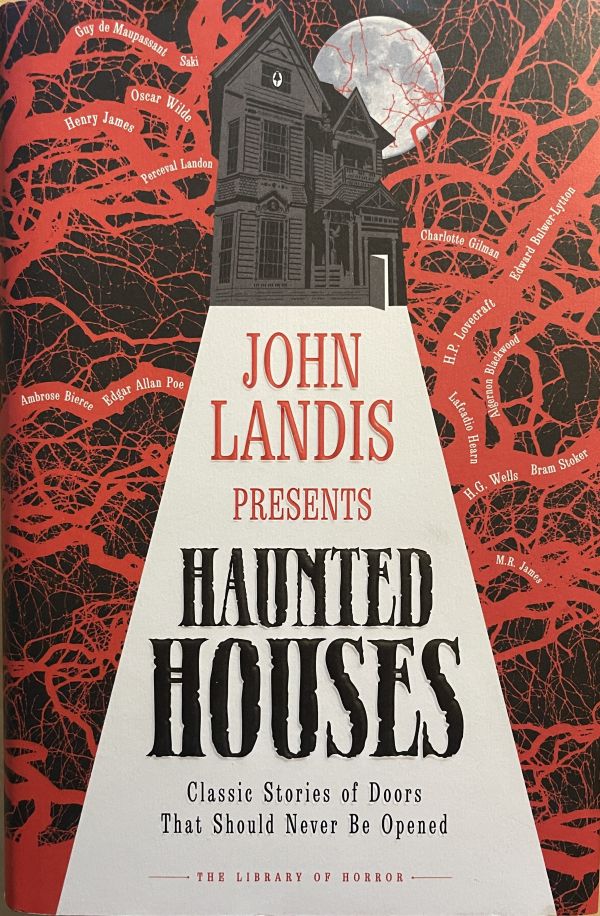
Haunted Houses (2020)
Various Authors
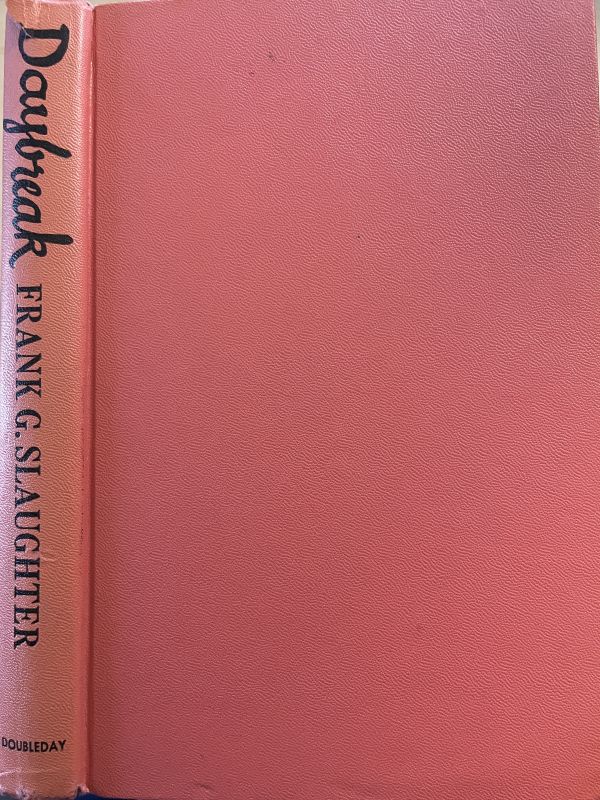
Daybreak (1958)
Frank G. Slaughter