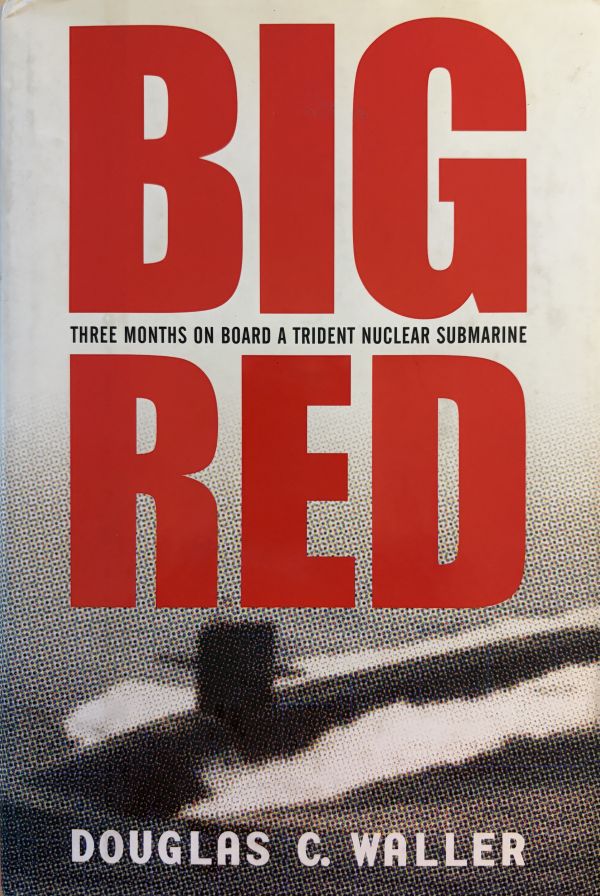

If the story of a nuclear submarine on patrol and the impact on its crew and their families grabs your interest, then Douglas C. Waller’s Big Red: Three Months On Board a Trident Nuclear Submarine was written for you.
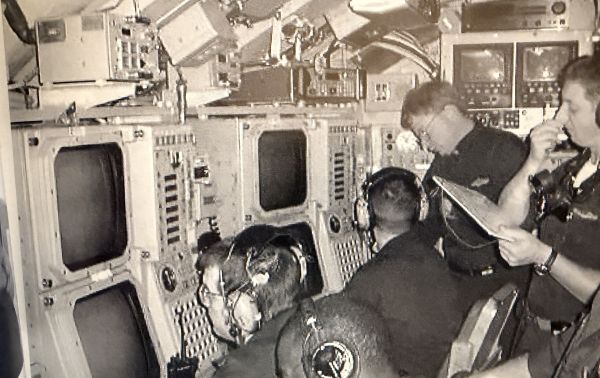
High Point: We get an insider’s look at the departmental functions, the endless drills, and the incidents and events making up the sub’s 90-day deployment.
Low Point: Occasionally, the descriptions of the drills and exercises are too deep and rather tedious.
Author: Douglas C. Weller
Publication Date: 2001
Genre: Social Science
Listen to the audio version of this review
space
Three Months Underwater
If the story of a nuclear submarine on patrol and the impact on its crew and their families grabs your interest, then Douglas C. Waller’s Big Red: Three Months On Board a Trident Nuclear Submarine was written for you.
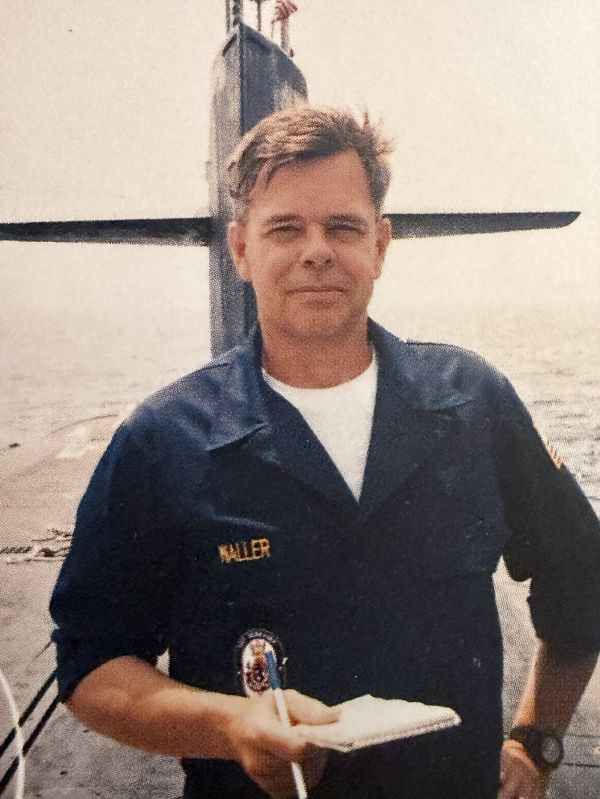
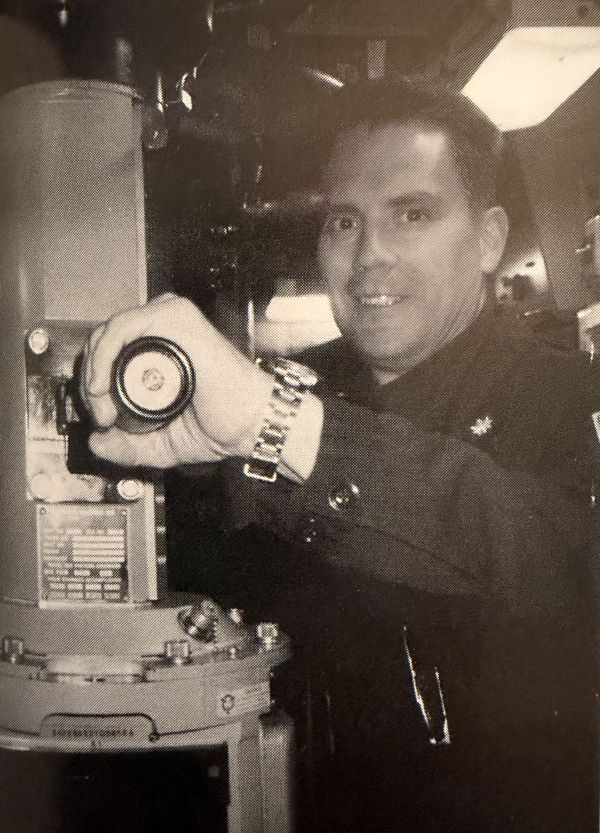
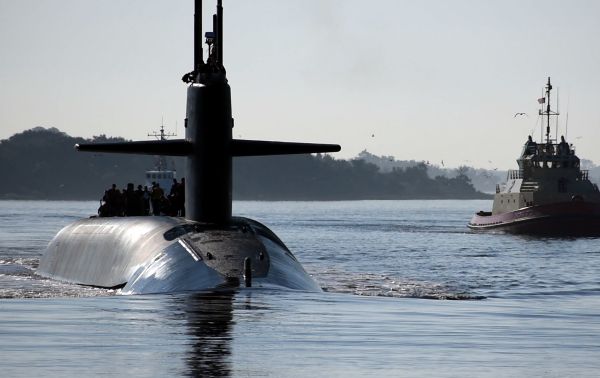
Waller was a correspondent for Time magazine when he wrangled a ride on the USS Nebraska—known as “Big Red”—during its three-month patrol in the Atlantic. The US Navy gave Waller free access to all but the most security-sensitive areas of the missile boat as well as to all its crew. As a result, we get an insider’s look at the departmental functions, the endless drills, and the incidents and events making up the sub’s 90-day deployment.
Even better, Waller also relates surprisingly personal accounts of the men, their feelings about the navy and their assignments, and their private lives. Even their wives and girlfriends have parts to play in this book.
The writing style that made Waller successful as a Time correspondent serves this book well. It reads as a magazine article—factual, informative, and occasionally a bit dry. Waller’s prose is not particularly expressive. For example, he relates an account of the Nebraska’s final morning of the patrol. The sub has surfaced, and several officers and crewmembers have crowded the bridge to witness the last sunrise. For any number of reasons, Waller could have been a bit lyrical. But he reports it merely as a matter-of-fact—an approach that is entirely appropriate for this book.
For the most part, Waller maintains a pace to keep the reader engaged. On occasion, his descriptions of the drills and exercises can get a bit deep and tedious. Those instances are rare, though, and he excels at portraying the emotions and sentiments of the crew as they contemplate their lives as submariners.
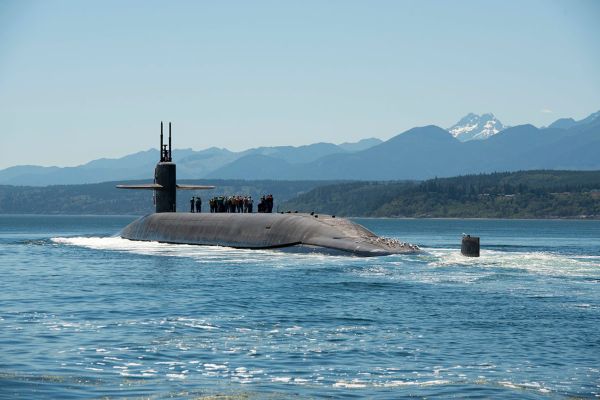
Published in 2001, Big Red: Three Months On Board a Trident Nuclear Submarine is worth a read, because it still maintains a relevance today. For one thing, the Nebraska remains in active service.
And then there’s the Nebraska’s captain discussing his confidence that he would launch his 24 nuclear missiles if the president of the United States gave the order. But then he raises a disturbing question: What if the political leadership wasn’t responsible?
Twenty-five years after Big Red was published, that question may be even more unsettling than Waller and the captain could have imagined.
Quotes
| [The Trident submarine’s] weapons department was large, with fifty-five men. Its missile technicians were some of the most focused on the ship, with little patience for mistakes. They liked to think that they were the only reason the Nebraska was out here. The rest of the sub was just a taxi with a nuclear reactor for an engine. |
| Volonino had no doubt that he would launch the missiles if the president of the United States gave the order. He was sure the threat to America would have reached the point that a president had no choice but to issue the order. But what if the political leadership wasn’t responsible? What if he was being ordered to launch because of the mistakes of politicians? |

Sources For This Book
This book was purchased at Lucky Dog Books in Dallas, Texas
Free eBook (Project Gutenberg): Not available
Free Audiobook (LibriVox): Not available
Available to Purchase: Alibris, Biblio, Thriftbooks
Similar Books You May Enjoy…
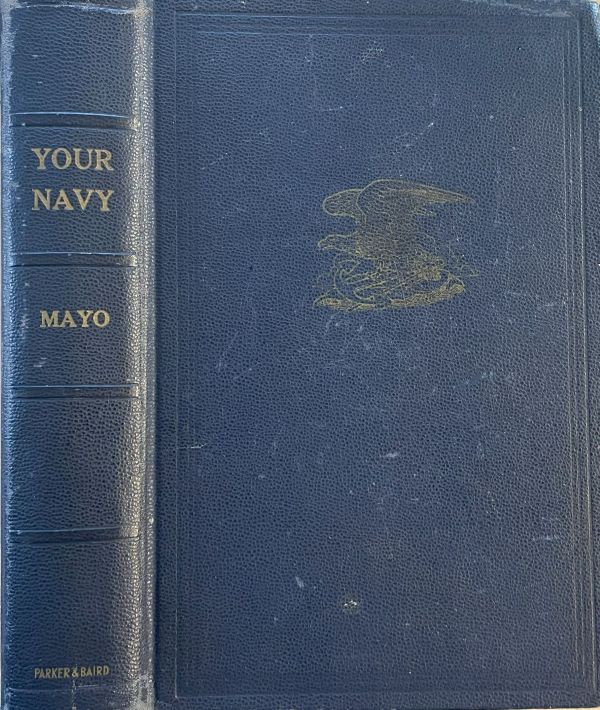
Your Navy (1941)
Claude Banks Mayo
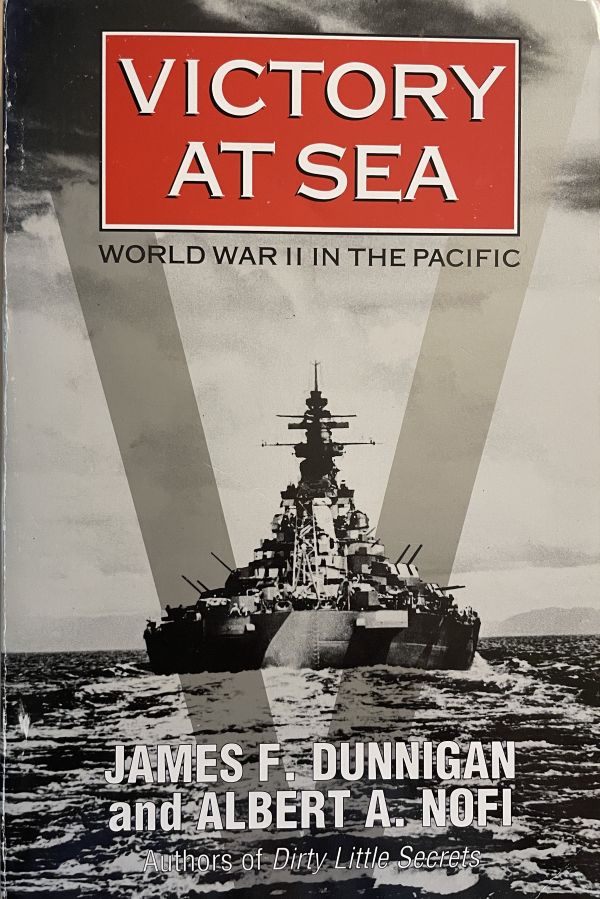
Victory at Sea (1995)
James F. Dunnigan & Albert A. Nofi
Harm’s Way (1962)
James E. Bassett
12 O’Clock High! (1948)
Beirne Lay, Jr. & Sy Bartlett