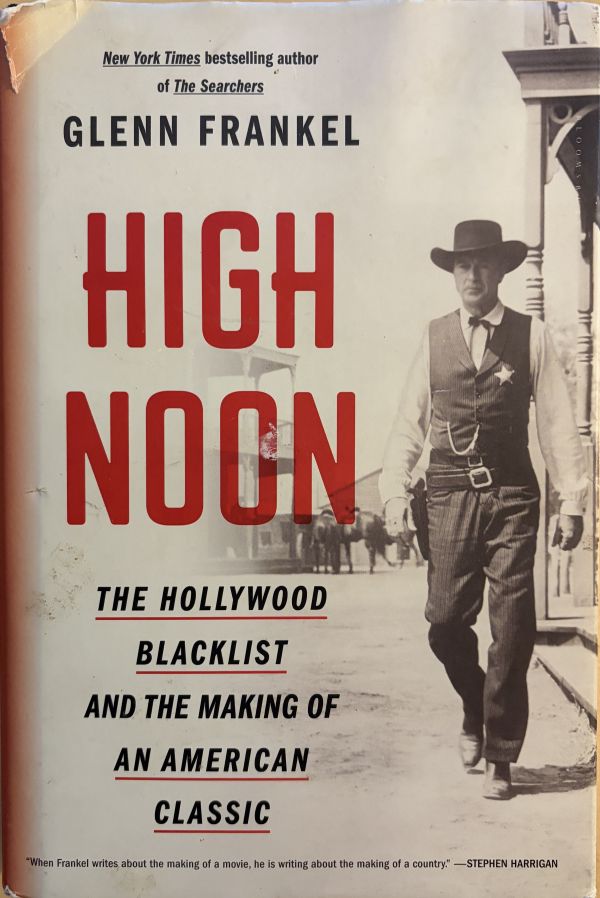

Disturbing and disheartening, Glenn Frankel’s High Noon: The Hollywood Blacklist and the Making of an American Classic is a book that makes an oppressive government’s disregard of civil rights personal.
High Point: Frankel deftly shifts the narrative from the dark Committee hearings to engaging backstories of the making of High Noon and back again throughout the book
Low Point: Some of the background information, particularly of the actors and their early years and their romantic trysts, seem superfluous to the overall theme.
Author: Glenn Frankel
Publication Date: 2017
Genre: Arts
Listen to the audio version of this review
space
Disturbing and disheartening, Glenn Frankel’s High Noon: The Hollywood Blacklist and the Making of an American Classic is a book that makes an oppressive government’s disregard of civil rights personal.
The Red Scare and Carl Foreman
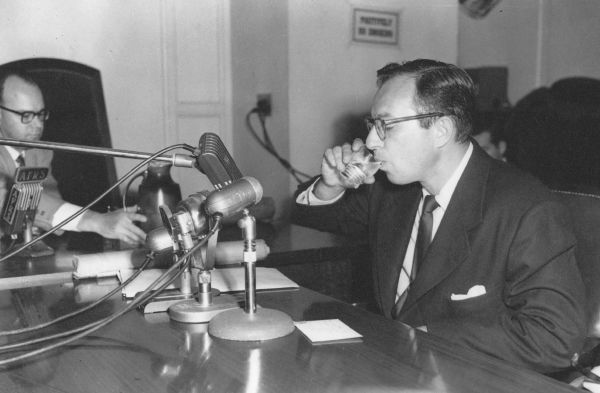
Focusing on the award-winning western movie, High Noon, Frankel drills into the “Red Scare” of the 1940s and 50s and its impact on the movie industry and those who worked therein. He describes how the Congressional House Committee on Un-American Activities skirted due process when targeting certain individuals. And he illustrates the capitulation of the studios to the Committee’s demands—firing and then blacklisting actors, writers, directors, composers and others.
Frankel concentrates on Carl Foreman, the High Noon screenwriter who testified before the Committee as a former Communist party member. Refusing to name others, Foreman was then shunned by the studios under pressure from the Committee. He placed himself in exile in the United Kingdom for several years—rebuilding his career, even performing services for Winston Churchill. After several years, he returned to the United States, winning an Academy Award for best screenplay for The Bridge On the River Kwai. But because of the lingering blacklist, he wasn’t initially acknowledged as the screenwriter. Frankel’s depiction of his eventual posthumous recognition is heartbreaking.
The Making of High Noon
Along the way, Frankel also provides the backstories around the making of High Noon. We learn about the movie’s conception, the story development, the selection of the cast, the tight budgets and shooting schedules, and everything up to and including its release in 1952 and its win of four Academy Awards.
It seems an odd combination—switching the focus from the doings of the House Committee on Un-American Activities to the making of a classic western, and then back again. The shifts occur throughout the book, but Frankel usually makes it work. Occasionally, however, the movie backstories come across as frivolous and irrelevant.
The Stark Relevance
Despite that, High Noon: The Hollywood Blacklist and the Making of an American Classic will entertain, enlighten, and sometimes even alarm you with its stark relevance. Towards the end of his book, Frankel briefly discusses 1952’s anti-Communist film, The Hoaxters, with a caution that seems especially timely more than 70 years later:
[Dore] Schary’s film [The Hoaxters] did carry a warning against repression. “In continuing to make Communism ineffective we must not betray our own values, for there are angry voices in the land, homegrown tyrants who play the reckless game of slander in order to achieve their ends.” Remember, it warns, “Hitler was an anti-Communist.” And beware of “the hoaxter trying to destroy America in the name of America.”
Quotes
| [Gary Cooper’s testimony before the House Committee on Un-American Activities] was over in fifteen minutes. Cooper had managed to be at once charming, patriotic, anti-Communist, and completely unenlightening. …It was undoubtedly his most nuanced performance of 1947. |
| A United Nations representative had approached Screen Plays Inc, in 1948 seeking to interest Stanley [Kramer] and Carl [Foreman] in making a movie about the organization. Carl believed in the UN and wanted to help, but rather than turn out a propaganda film he started playing with the idea of setting it in the Old West in a town under threat from outside forces. At first he saw it as a hopeful parable about the new world order. But as the climate of fear began to take hold in Hollywood his vision began to darken. The HUAC hearings, the plight of the Hollywood Ten, the abject surrender by the big studios—all struck him as signed of moral and political collapse in a community he had once respected. |
| [John] Wayne was especially dismayed that [High Noon] portrayed churchgoers and public officials as cowards and hypocrites. He interpreted this as an attack on American values, which in many ways it is. |
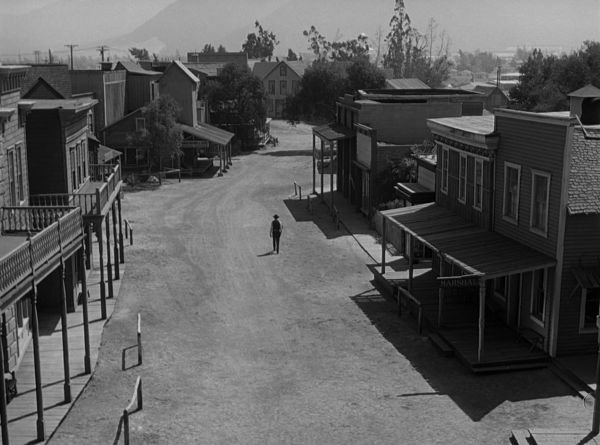
| There’s something about Gary Cooper marching slowly down a deserted Western street, a six-shooter holstered on his hip, that has stirred and reassured three generations of viewers. It is a symbol of moral bravery for an uncertain age. |
| [Movie critic Bosley Crowther] called High Noon “a drama of one man’s bravery in the midst of a town full of cowards. It is a story that bears a clear relation to things that are happening in the world today, where people are being terrorized by bullies and surrendering their freedom out of senselessness and fear.” |
Sources For This Book
This book was purchased at Lucky Dog Books in Dallas, Texas
Free eBook (Project Gutenberg): Not available
Free Audiobook (LibriVox): Not available
Available to Purchase: AbeBooks, Biblio, Thriftbooks
Similar Books You May Enjoy…
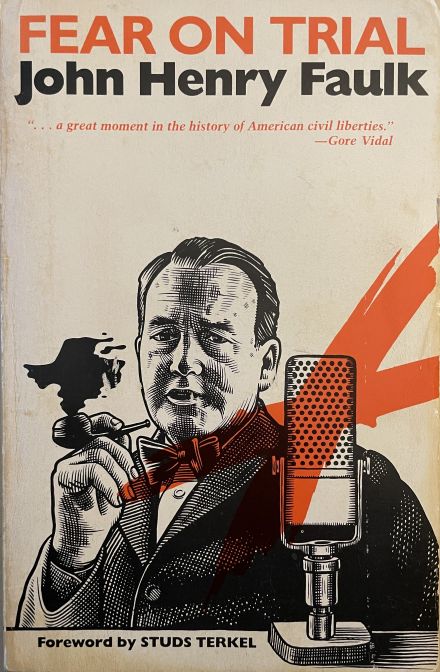
Fear on Trial (1963)
John Henry Faulk
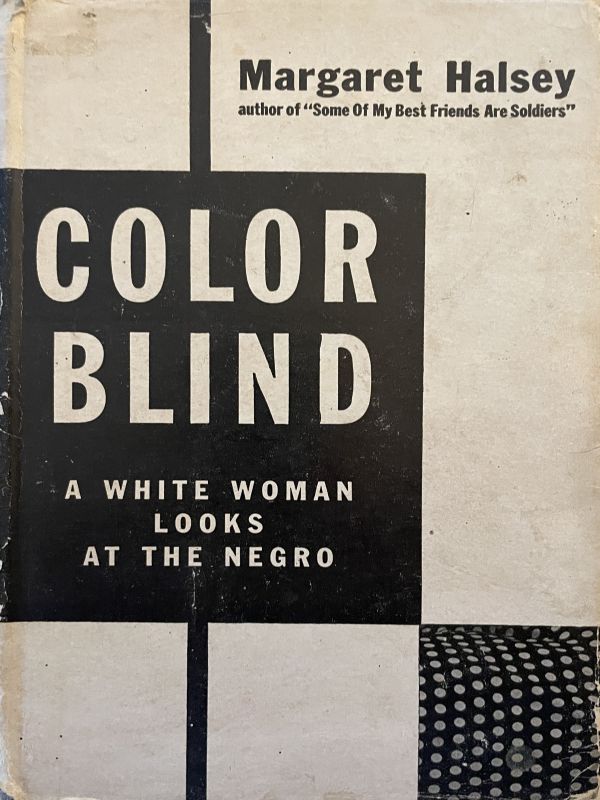
Color Blind (1946)
Margaret Halsey
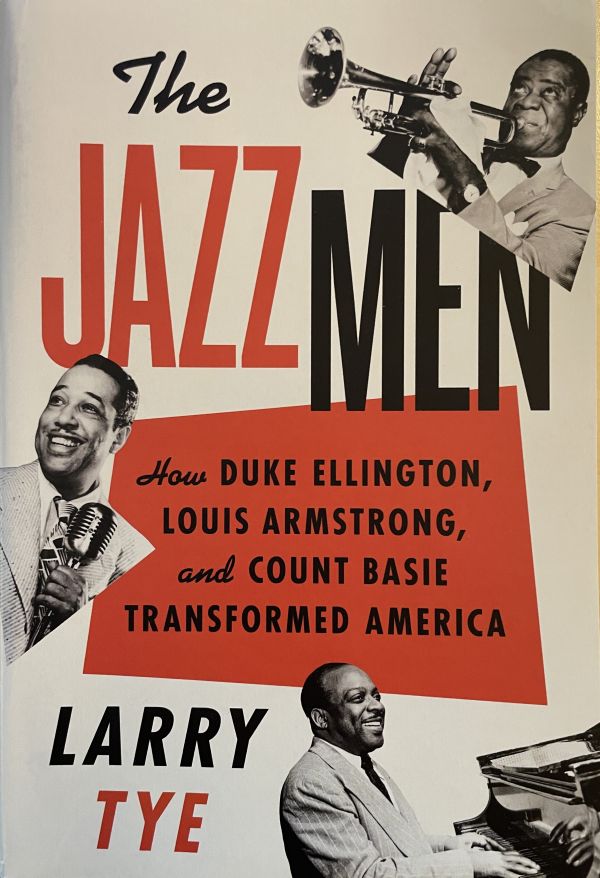
The Jazz Men (2024)
Larry Tye
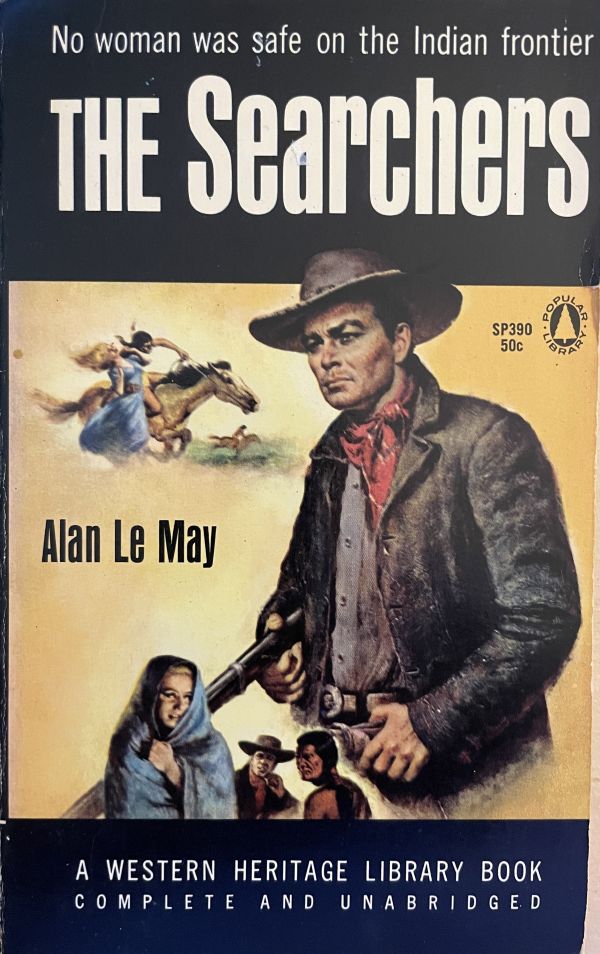
The Searchers (1954)
Alan Le May