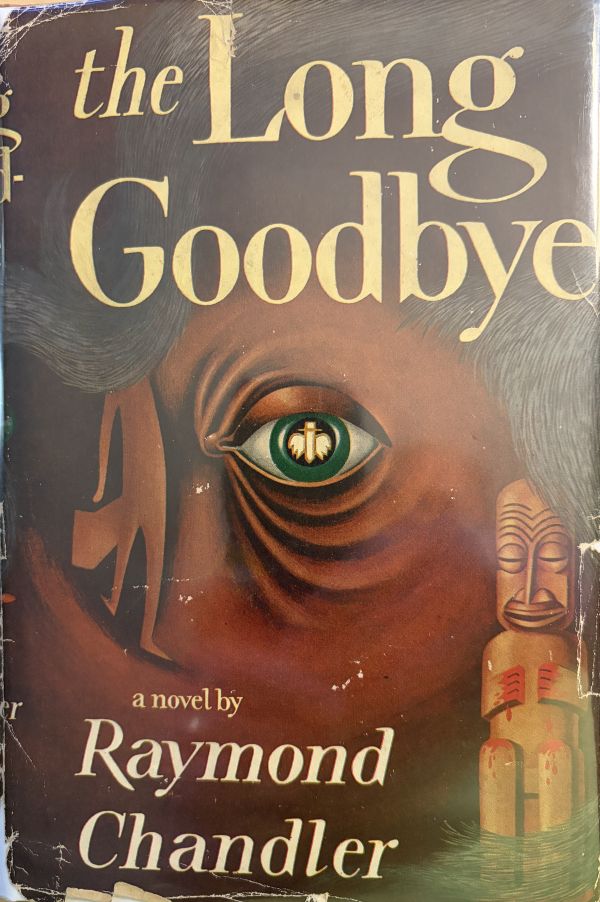

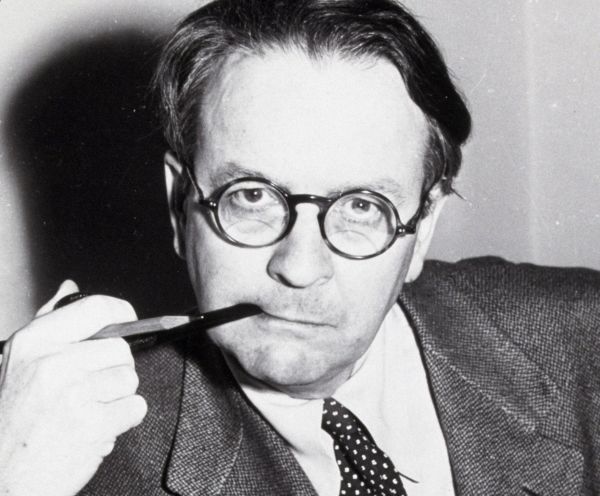
In The Long Goodbye, Raymond Chandler teases us more than once into thinking his mystery is wrapped up. But then he reminds us there is one more little loose end that needs tying up. Got that one resolved? Well, here’s another one. It’s a clever structure that keeps the story moving right up to the final pages.
High Point: Chandler’s prose often comes across as poetry. He does wonders just describing the smoke curling up from a cigarette in an ashtray.
Low Point: The narrative reflects the mores of its time with the occasional racial epithet and the traditional gender roles.
Author: Raymond Chandler
Publication Date: 1953
Genre: Mystery
Banned Book (Florida)
Listen to the audio version of this review
space
No loose ends.
In The Long Goodbye, Raymond Chandler teases us more than once into thinking his mystery is wrapped up. But then he reminds us there is one more little loose end that needs tying up. Got that one resolved? Well, here’s another one. It’s a clever structure that keeps the story moving right up to the final pages.
That’s one of the many appealing aspects of this novel featuring his private detective, Philip Marlowe. Throughout the story, Marlowe is belittled by the police, the District Attorney, his clients, and acquaintances as dim-witted and slow. In the end, naturally, Marlowe outwits them all while maintaining a peculiar integrity the others usually lack.
In this story, Marlowe’s act as a Good Samaritan draws him into murder, clashes with the cops, both good and bad, and throws him in with the powerful rich and others above his usual social circle. And of course, there are one or two beautiful women to capture his attention as well.
With the story told in the first person from Marlowe’s perspective, we see developments when Marlowe does. When Marlowe is surprised, so are we. Chandler’s narrative flows easily, wrapping us up and immersing us. At times, his prose is almost poetic. During an intense scene, he may suddenly describe something as seemingly irrelevant as the smoke from a cigarette in an ashtray or the steam rising from a coffee mug. But it doesn’t come across as a distraction. Instead, it somehow enhances the action.
Be aware that the book—first published in the United States in 1954—reflects the social mores of its time. Gender roles are mid-20th century traditional, and an occasional racial epithet gets tossed into Marlowe’s conversation or thoughts. None of it is intended to be particularly offensive. But the context is so matter-of-fact that it’s a reminder of how unnecessarily stupid humans can often be.
Raymond Chandler’s Philip Marlowe, along with Dashiel Hammett’s Sam Spade, were perhaps the most iconic of the private detectives of 20th century fiction. It can be fun comparing the two. But if you had to name the three best mysteries featuring Marlowe or Spade, one of them would have to be The Long Goodbye.
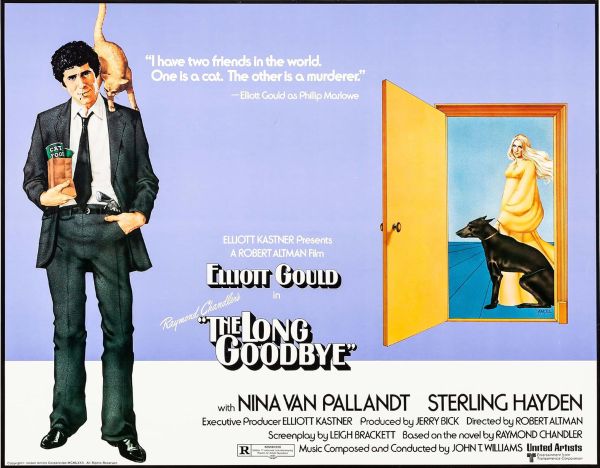
Movie/TV Adaptation
The Long Goodbye (1973)
Sources For This Book
Free eBook (Project Gutenberg): Not available
Free Audiobook (LibriVox): Not available
Available to Purchase: AbeBooks, Biblio, Thriftbooks
Similar Books You May Enjoy…
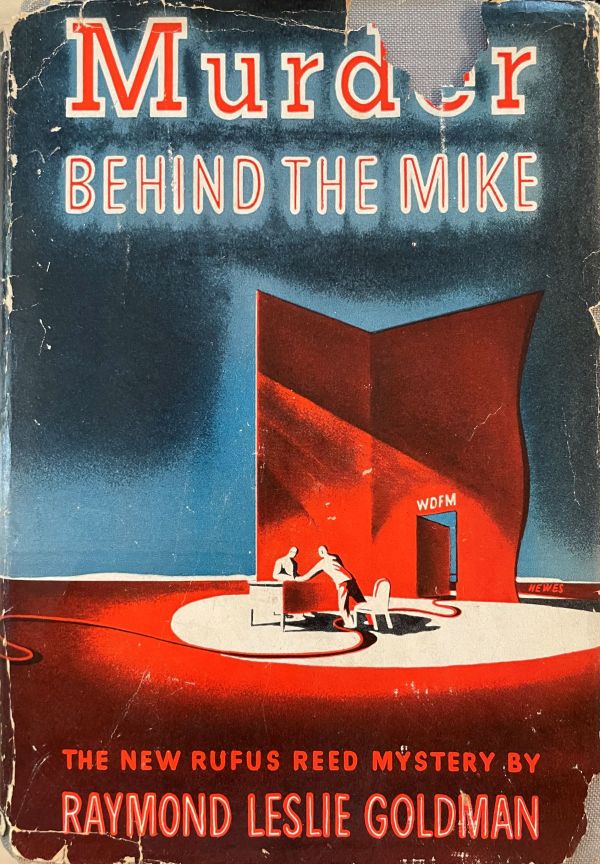
Murder Behind the Mike (1942)
Raymond Leslie Goldman
Bulldog Drummond’s Third Round (1923)
H.C. McNeile
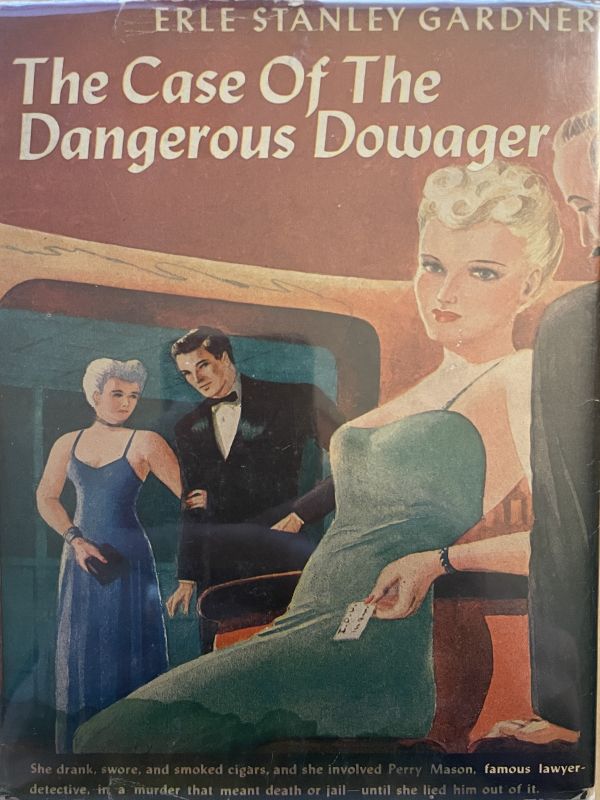
The Case of the Dangerous Dowager (1937)
Erle Stanley Gardner
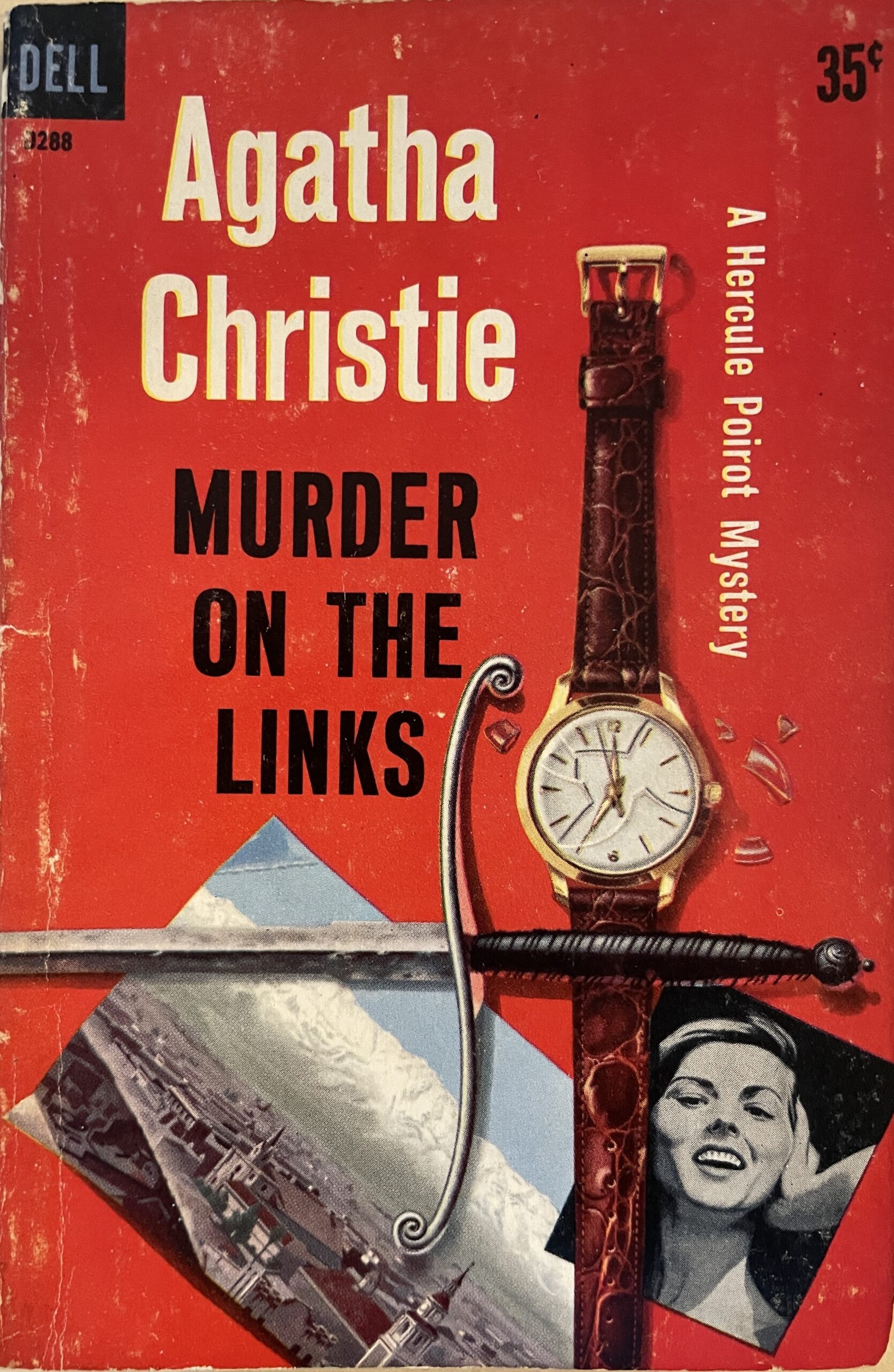
Murder on the Links (1923)
Agatha Christie