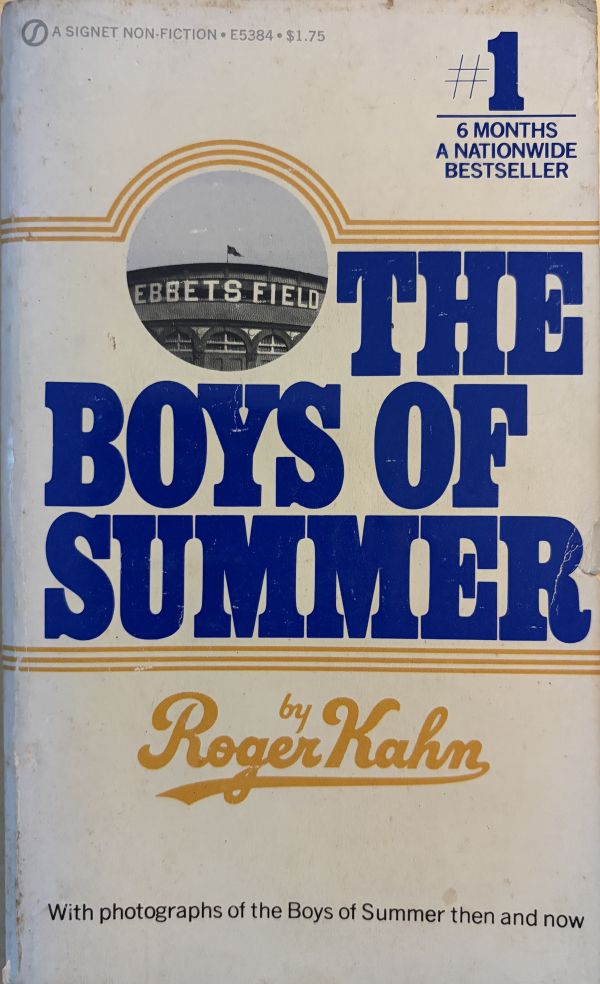

Although it’s a classic sports book, you don’t have to be a big baseball fan to appreciate The Boys of Summer. At its heart, it’s a story of rather ordinary people with extraordinary athletic ability, and the impact their talent had on their lives.
High Point: Kahn’s description of how a baseball feels and sounds when it hits the sweet spot of a glove is almost poetic.
Low Point: None
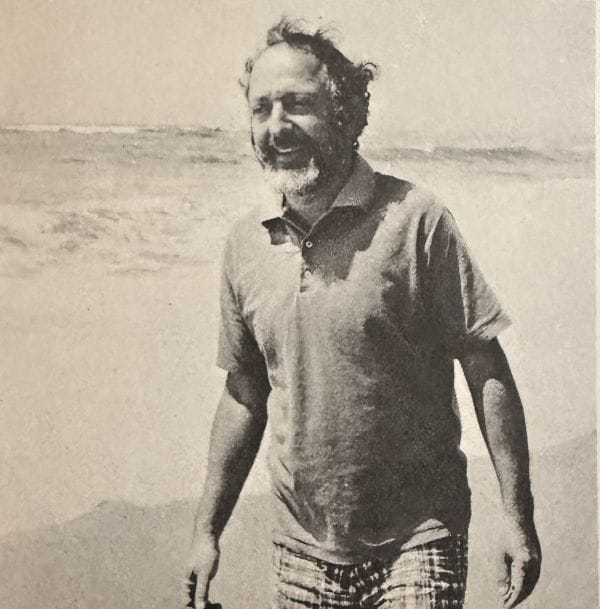
Author: Roger Kahn
Publication Date: 1971
Genre: Sports
Listen to the audio version of this review
space
Let’s cut to the chase. The Boys of Summer by Roger Kahn is the best baseball book I’ve ever read.
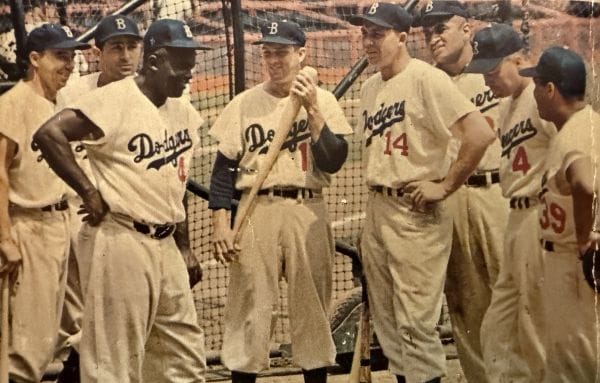
As a young sportswriter for the New York Herald Tribune, Kahn was assigned to cover the Brooklyn Dodgers for two years beginning in 1952. During that time, he established friendships with some of the Dodger greats—Jackie Robinson, Duke Snider, Pee Wee Reese, and Roy Campanella among others. Those friendships continued for decades.
The first half of Kahn’s book begins with his early years and his love of the Dodgers that he shared with his father. Then he recounts his two seasons covering the Dodgers as they captured back-to-back National League pennants, only to lose the World Series to the crosstown Yankees both years. In the second half, Kahn relates how some of those Dodger stars’ lives evolved over the subsequent twenty years. Most settled into ordinary American middle-class lives with jobs ranging from bartending to installing elevators to corporate management.
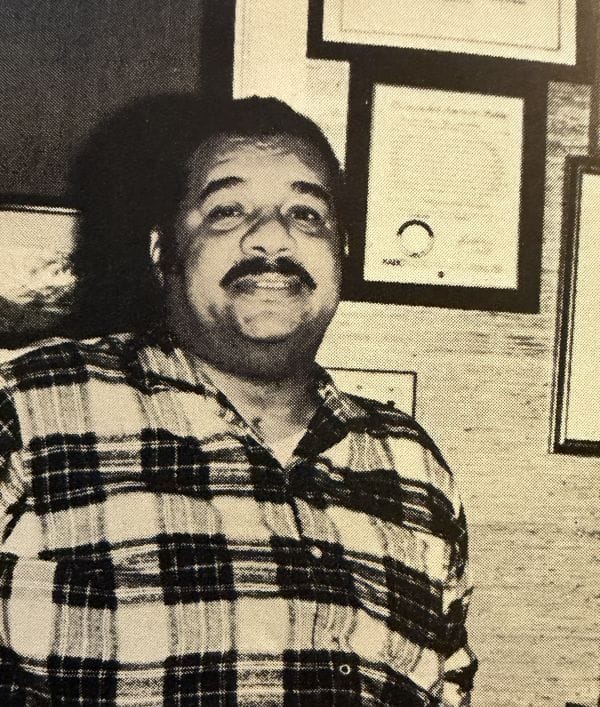
Kahn’s writing is masterful, and not just about sports. When he relates his stories, he cuts through the facts and delves into the humanity and emotion behind the stories. For example, Kahn and his wife attended the funeral of Jackie Robinson, Jr.—the son of the Dodger great, a Vietnam war veteran, and a once-troubled young man who had fought his way back. Following his death in a car wreck, Kahn’s description of the funeral may bring tears to your eyes.
One particular highlight is his description of how it feels and sounds when you catch a baseball in the sweet spot of your glove. If you’ve played baseball or softball, Kahn may have you recollecting some of your own warm memories.
Although it’s a classic sports book, you don’t have to be a big baseball fan to appreciate it. At its heart, it’s a story of rather ordinary people with extraordinary athletic ability, and the impact their talent had on their lives. You might be doing yourself a favor if you spend a little time with The Boys of Summer.
Quotes
| The Dodgers arose out of the 1930s, the wretched of the earth, armored by the tactical cunning of their new president, Larry MacPhail, Leland Stanford MacPhail, a man who tried to kidnap Kaiser Wilhelm in 1918 and failed but did capture a genuine Hohenzollern ashtray. |
| Whoever the author, [New York Herald Tribune Sports Editor Stanley] Woodward would not tolerate horrendous clashes of fearsome Tigers and snarling Wolverines, concluded in purple sunsets. He wanted, he said, to present his department “in such a manner that it would be intelligible to the nonsports reader, should one happen to fold back the paper in the wrong place.” He liked verbs of action and exact adjectives. |
| The pitchers are different from the others. They work less often, but when they do, they can hold nothing back… Action suspends and nine others wait until the pitcher throws… “Ya know,” Casey Stengel said about a quiet Arkansan named John Sain, “he don’t say much, but that don’t matter much, because when you’re out there on the mound, you got nobody to talk to.” Pitchers are individualists, brave, stubborn, cerebra, hypochondriacal and lonely. |
| The most popular sports comment that autumn [1952] was: “How can you root for the Yankees? It’s like rooting for U.S. Steel.” |
| A sense of strength stays with a man. When [Gil] Hodges managed the Washington Senators, he learned once that four players were violating a midnight curfew. Hodges believes in curfews and he convened his ball club and announced: “I know who you were. You’re each fined one hundred dollars. But a lot of us are married and I don’t want to embarrass anyone. There’s a cigar box on my desk. At the end of the day, I’m going to look into that box and I want to see four hundred dollars in it. Then the matter will be closed.” Hodges gazed. At the end of the day, he looked into the cigar box. He found $700. |

Sources For This Book
This book was purchased at C&C Antique & Resale Emporium in Crockett, Texas
Free eBook (Project Gutenberg): Not available
Free Audiobook (LibriVox): Not available
Available to Purchase: Alibris, Biblio, Thriftbooks
Similar Books You May Enjoy…
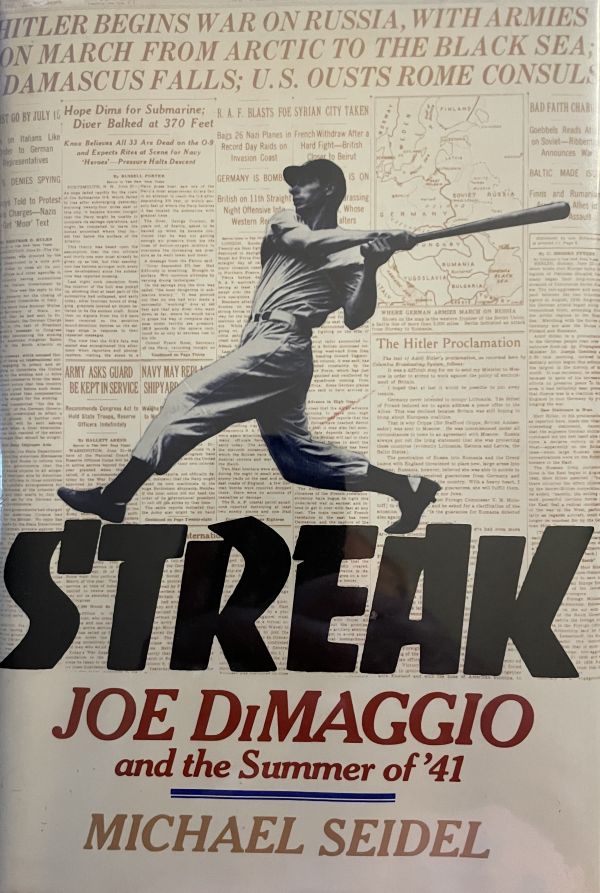
Streak: Joe DiMaggio and the Summer of ’41 (1988)
Michael Seidel
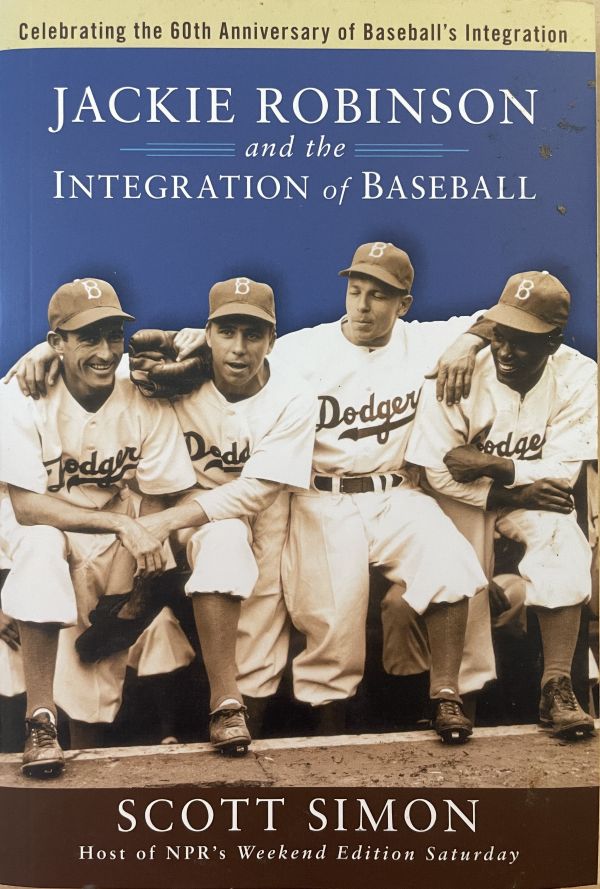
Jackie Robinson and the Integration of Baseball (2002)
Scott Simon
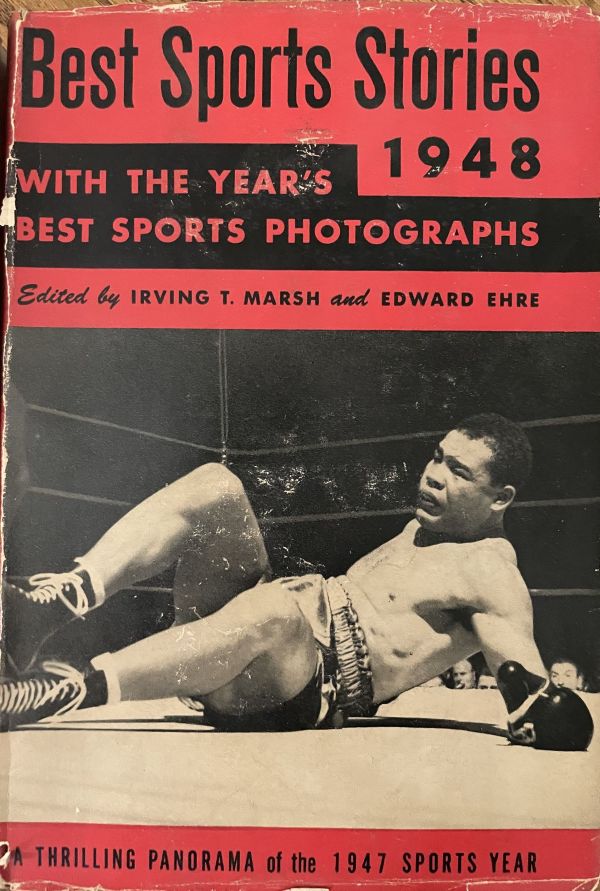
Best Sports Stories 1948 (1948)
Various authors (edited by Irving T. Marsh and Edward Ehre)

Color Blind (1946)
Margaret Halsey